
Free OnlyFans Tipping: Small Amounts, Big Totals
Free OnlyFans pages do not charge a subscription, so every interaction on them looks inexpensive at the moment it happens. Tips usually arrive as single-digit amounts, which makes them feel closer to loose change than to a recurring bill. The problem is that loose change still adds up, and on a free page the tip button is the main way money moves. This article looks at why small tips deserve the same tracking attention as subscriptions.
The core idea is simple. A tip of a few dollars is easy to dismiss on its own, but thirty days of small tips can match or exceed a normal monthly subscription. Because there is no renewal notice and no calendar entry, the total is invisible until someone goes looking for it. That gap between what tips feel like and what they cost is what this article sets out to close.
The size illusion
A single tip rarely triggers the same hesitation as a subscription charge. Subscriptions are announced, dated, and repeated, so the brain files them as a commitment. Tips are one-off clicks with no contract attached, so they get filed as pocket money instead. That classification happens fast and it is usually wrong.
The table below compares signals that indicate real cost against signals that indicate an illusion of low cost. Each row shows what a careful reader notices versus what a casual tipper notices.
| Signal | Reading it well | Reading it poorly |
| Amount per action | Records every tip in a note | Judges each tip as too small to matter |
| Frequency | Counts how many times the button was pressed | Remembers only the largest tip |
| Timing | Notices tips cluster late at night | Treats each tip as a one-time event |
| Purpose | Separates requests from casual support | Groups all spending into one blur |
None of these signals requires special tools. A short note in a phone app is enough to convert a blur into a list. Once the list exists, the size illusion usually collapses within one billing cycle.

Monthly tip totals
The clearest way to test the illusion is to multiply. The table below shows how a fixed tip amount behaves if it repeats across a thirty-day month. The pattern matters more than the exact figure.
| Tip amount | Tips per day | Monthly total |
| $2 | 1 | $60 |
| $3 | 1 | $90 |
| $5 | 2 | $300 |
| $10 | 1 | $300 |
Two dollars a day never feels like a budget line, yet it lands above the typical paid page range of $4.99 to $15. Five dollars twice a day reaches the same territory as a serious monthly commitment. The numbers are not extreme; the repetition is.
Platform economics sharpen the point. OnlyFans takes a 20% fee on subscriptions, tips, and pay-per-view messages, and the creator keeps 80%. So a $5 tip delivers $4 to the creator and still costs the tipper $5. There is no discount for small amounts, which means the total on the tipper’s side is the same total the creator is paid against.
A practical habit: open your bank app on the same day each week and add up only the tip-sized charges. Ten minutes once a week catches drift long before a month-end surprise does.
Where tips hide
Tips on free pages do not live in one place. They appear wherever a creator can prompt a response, and several of those spots are easy to forget because they feel conversational. Free pages set the price to $0 and earn through pay-per-view messages and tips, so the tip flow is embedded in normal chat behaviour.
Here are the places small payments most often go unrecorded:
- Direct messages that include a tip as part of a reply.
- Pay-per-view messages unlocked after a short chat.
- Tip prompts attached to a request for a specific reply.
- Small tips sent during a live or scheduled session.
- Repeat tips to the same page in the same week.
- Tips sent after a promotional first month on a different page.
Each item looks minor. Combined, they form a second spending channel that never shows up in a subscription list, which is precisely why it escapes attention.
Reconstructing last month
Reconstruction is easier than prevention because the data already exists. Payment records, message history, and wallet statements together contain everything needed to rebuild a month of small tips. The exercise takes one sitting and usually produces a number that is higher than expected.
Start with the payment record and mark every charge under a set threshold, for example $15. Then match each charge to a date and a page. Anything that cannot be matched should be counted anyway, because unmatched charges are the ones most likely to repeat unnoticed.
Once the total is in front of you, compare it against the ranges below. These are normal monthly costs to expect across the two page types.
- Free page with light tipping: a handful of small payments, often under $20.
- Free page with active messaging: frequently $40 to $100.
- Paid page on a promotional first month: may dip below $4.99 once.
- Paid page at a standard price: $4.99 to $15 in most cases.
- Paid page at the top of the range: up to $49.99.
- Paid page plus tipping: the tip total is added on top, not bundled.
The fourth and fifth items explain why comparisons matter. A typical paid page costs about the same as a modest tip habit, yet only one of the two appears in a renewal list. A practical starting point is best only fans review roundup, which lists pages by the signals above.
Comparing to a paid sub
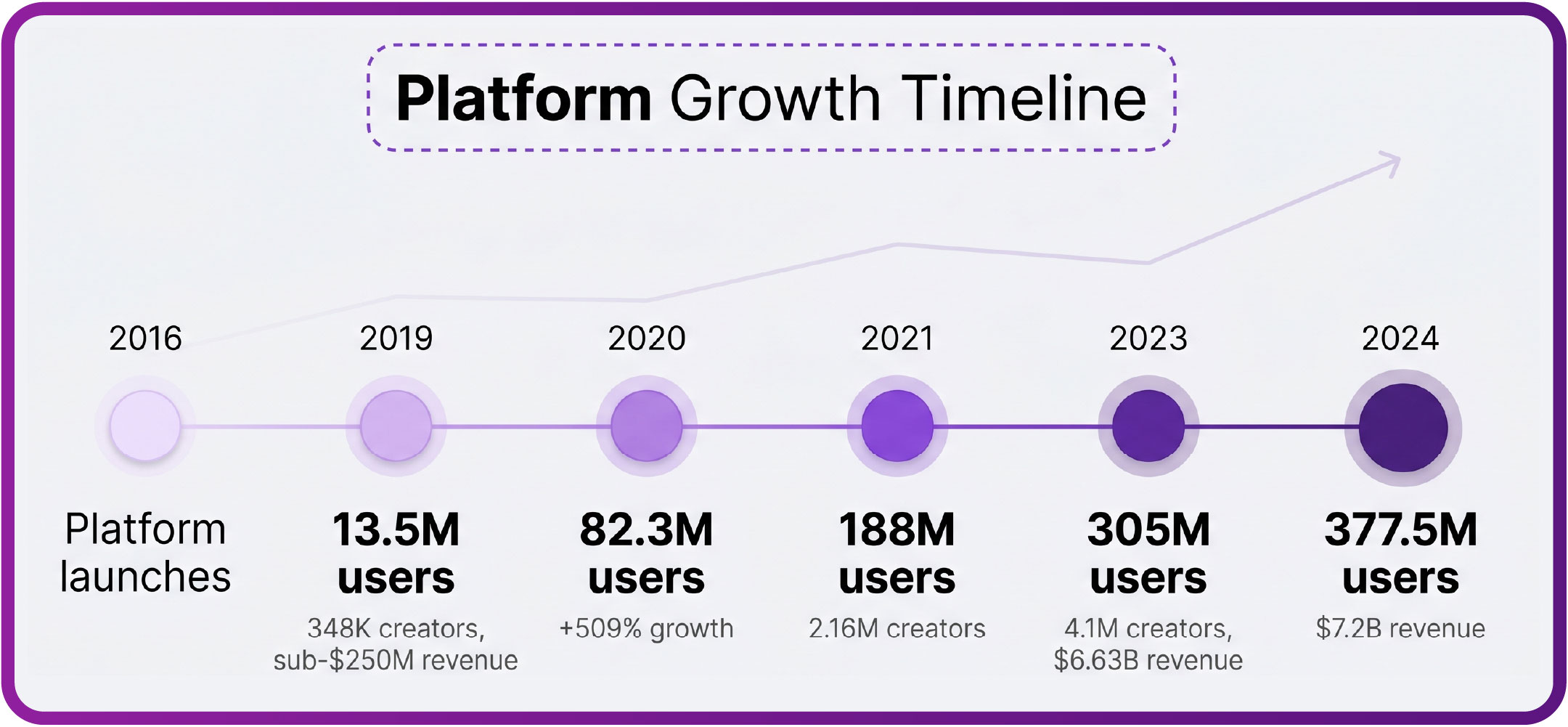
A direct comparison produces an uncomfortable result for heavy tippers. A paid page at $10 per month costs $120 per year, while a $2 daily tip habit costs roughly $730 per year. Even the minimum paid price of $4.99 is trivial beside a routine that repeats every day.
This is not an argument against free pages. It is an argument for knowing which model is actually being paid for. Ranking services exist partly because OnlyFans has no built-in discovery feed or directory, and the same absence of structure makes spending hard to see. Tools such as BestOnlyFans compare public profile prices, promotions, activity, and media counts so a reader can judge a page without guessing. A second option, the best only fans review roundup, takes a similar approach across a wider set of pages.
The mistakes below are the ones that most often distort this comparison:
- Treating free pages as a zero-cost category.
- Counting only the largest tip in a month.
- Ignoring pay-per-view unlocks because they feel like chat.
- Forgetting that a promotional first month does not set the ongoing price.
- Assuming a price increase keeps auto-renew running when it does not.
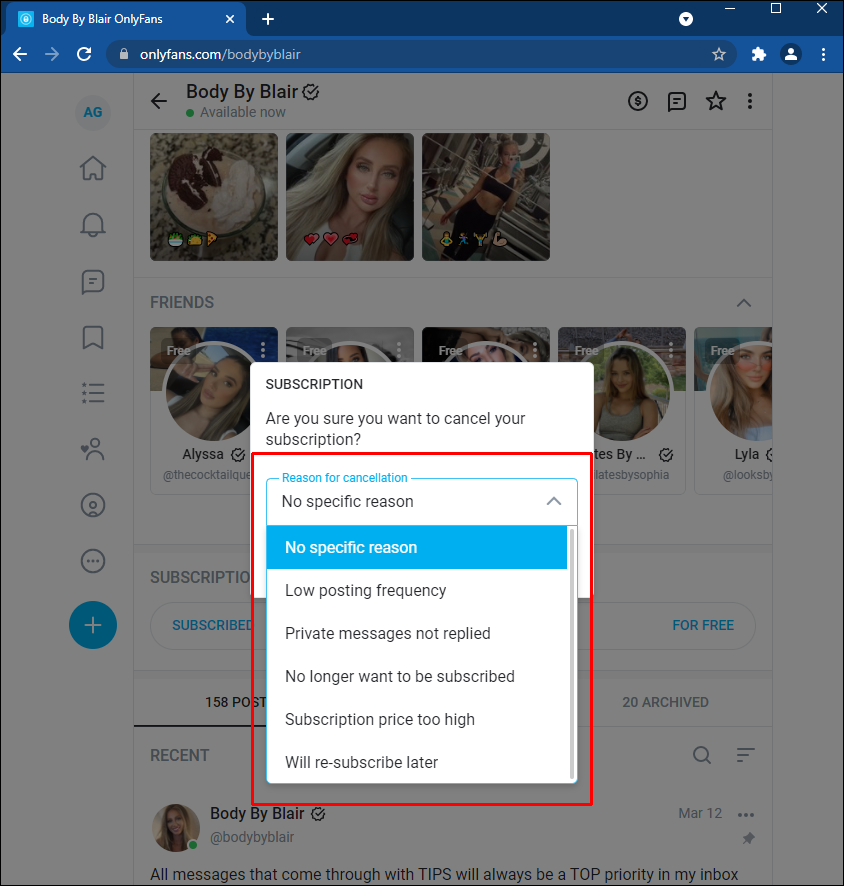
That last point deserves emphasis. When a creator raises the subscription price, auto-renew stops, and existing access lasts only until the current paid period ends. Anyone relying on autopilot needs to re-check the page rather than assume the charge will continue.
Reducing without stopping
Cutting tips to zero rarely lasts, because the habit is tied to conversation rather than to a product. A slower pace is more durable. The goal is fewer prompts, not fewer pages, and the changes below are small enough to keep.
Ways to slow the frequency while keeping the routine intact:
- Set one weekly tip window instead of tipping on impulse.
- Mute message notifications so prompts arrive on your schedule.
- Decide a maximum per page before opening any chat.
- Wait a full day before answering a pay-per-view prompt.
- Review the payment list every Sunday and stop when a ceiling is hit.
- Unfollow pages that only generate prompts and no other value.
None of these removes the option to tip. They simply move the decision from the moment of the prompt to a moment you control. That shift alone usually reduces totals without any feeling of loss.
First signs of drift
Drift is quiet. It rarely announces itself as a decision; it appears as a series of small permissions. Catching it early is mostly a matter of noticing patterns rather than amounts.
Signals that small tips are becoming routine:
- You stop checking the amount before confirming.
- You cannot recall the last three pages you tipped.
- Tipping happens at the same time each day without a reason.
- You assume a total is small without adding it up.
- You avoid opening the payment history.
- You describe the spending as support rather than as a purchase.
Any two of these together are enough to justify a week of tracking. The exercise is temporary and it restores the information that the habit removed.
A private browsing window limits what is stored locally, although it does not hide a charge.
A workable target
A monthly tip number works best when it is chosen before the month begins and treated like a subscription. Pick an amount that fits the rest of the budget, then divide it by thirty to get a daily allowance. If the daily figure feels too tight to be realistic, the monthly number is too high.
Keep the target in the same place as other recurring costs, and compare the tracked total to it once a week. When the month ends under target, nothing changes.
Warning: a promotional first month can dip below the $4.99 minimum, but that price is temporary. Budget from the standard price, not the promotion, or the first renewal will look like an increase when it is simply the normal rate.
Ranking services that compare public profile information remain useful for choosing pages, and BestOnlyFans keeps those comparisons limited to prices, promotions, activity, and media counts.
BestOnlyFans refreshes its rankings every month.
FAQ
Are free pages really free?
The subscription is $0, but tips and pay-per-view messages still cost money, and those payments are the main way free pages earn.
How much do most paid pages cost?
Typical paid pages sit between $4.99 and $15, with averages around $5 to $10, while the full range runs from $4.99 to $49.99.
Does OnlyFans take a cut of tips?
Yes. The platform fee is 20% on subscriptions, tips, and pay-per-view, and the creator keeps the remaining 80%.
Why do ranking sites exist at all?
OnlyFans has no built-in discovery feed or directory, so ranking sites fill that gap by organising public profile information for comparison.